



Menopause questions you may be wondering about
Menopause can bring questions you never expected to ask, from headaches and itchy ears to changes in your skin and weight. Wherever you are in the journey, you deserve clear answers without the overwhelm. Explore the questions below for practical guidance and a little reassurance along the way.
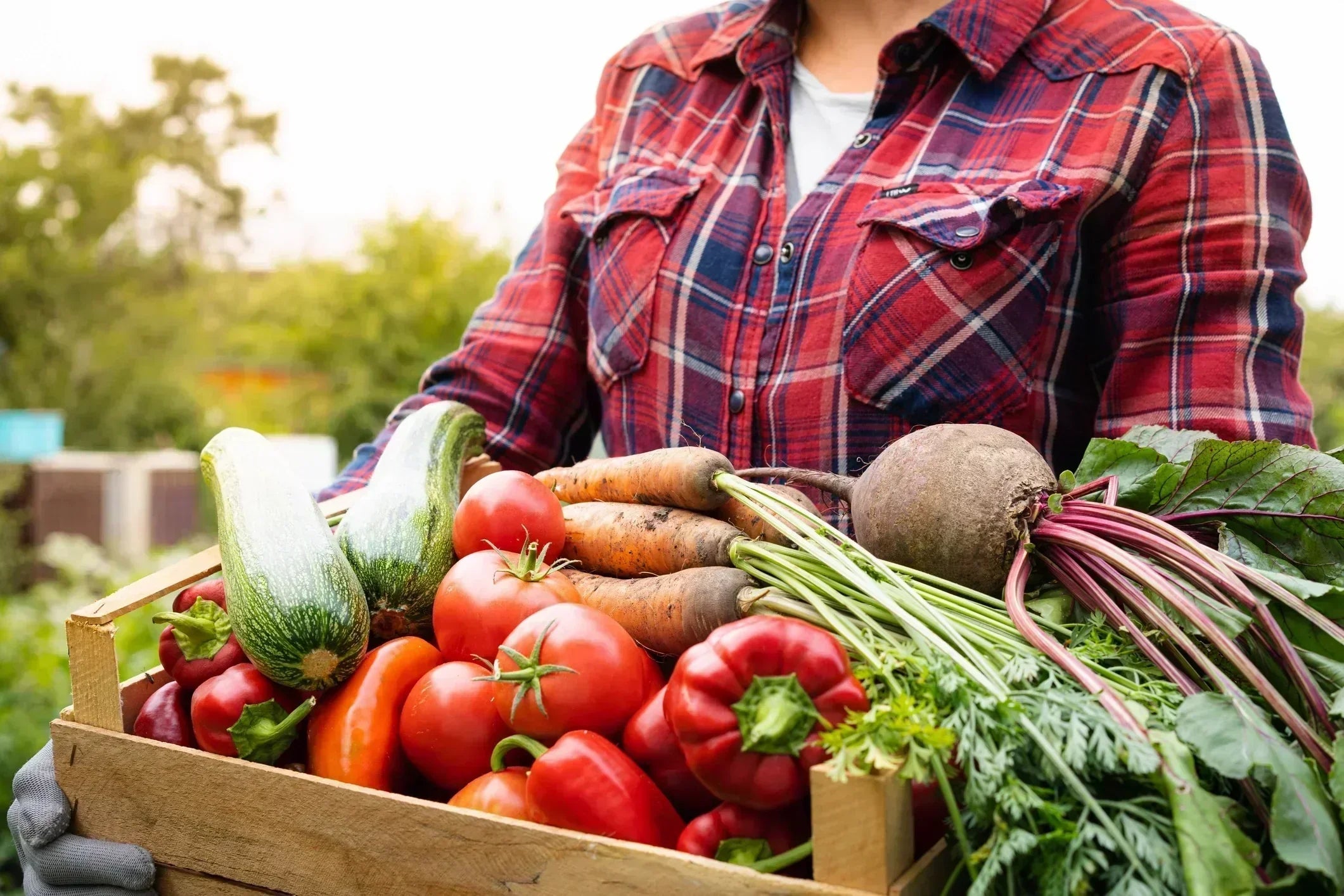
30 plants a week: How plant diversity supports your gut microbiome and metabolism
Could eating 30 different plants a week transform your health? From colourful fruits and vegetables to whole grains, nuts, seeds, herbs and spices, greater variety can help nourish your gut microbiome and support a healthy metabolism. Discover the science behind the 30-plants approach and simple ways to make it part of your routine.

Your Glymphatic system: Why deep sleep cleans your brain
What really happens to your brain while you sleep? Discover the fascinating overnight process that supports mental clarity, memory and long-term brain health and why quality rest matters more than you might think.

How to support metabolic health naturally
Healthy metabolic health is about much more than burning calories. Your gut microbiome, GLP-1, blood sugar regulation, sleep and everyday lifestyle habits all work together to influence energy, appetite and long-term wellbeing. In this guide, discover the science behind metabolic health and simple, natural ways to support your metabolism every day.

Collagen and biological age: what the science really shows (and what it doesn’t)
Collagen is often associated with beauty, but its role in ageing goes far deeper. Here’s what the science really shows and where the claims go too far.

Menopause myths: what’s true, what’s not and how to thrive through change
Menopause is often surrounded by confusion, outdated advice and persistent myths that can leave women feeling uncertain about what to expect. In reality, it’s a natural transition - one that can be supported and even optimised with the right knowledge, lifestyle and care.
Articles to inspire you mentally, physically, spiritually and emotionally.
Journal

Menopause questions you may be wondering about
Menopause can bring questions you never expected to ask, from headaches and itchy ears to changes in your skin and weight. Wherever you are in the journey, you deserve clear answers without the overwhelm. Explore the questions below for practical guidance and a little reassurance along the way.

Understanding oestrogen, progesterone and testosterone
Oestrogen, progesterone and testosterone influence much more than periods and fertility. This plain-English guide explains what each hormone does, how their typical patterns change from puberty to postmenopause, how they interact with cortisol and why symptoms alone cannot reliably diagnose a hormone imbalance.

30 plants a week: How plant diversity supports your gut microbiome and metabolism
Could eating 30 different plants a week transform your health? From colourful fruits and vegetables to whole grains, nuts, seeds, herbs and spices, greater variety can help nourish your gut microbiome and support a healthy metabolism. Discover the science behind the 30-plants approach and simple ways to make it part of your routine.

Your Glymphatic system: Why deep sleep cleans your brain
What really happens to your brain while you sleep? Discover the fascinating overnight process that supports mental clarity, memory and long-term brain health and why quality rest matters more than you might think.

Immunosenescence: how and why your immune system ages
Have you noticed that you seem to pick up more illnesses or take longer to recover as you get older? Just like the rest of the body, the immune system changes with age. Discover why this happens and the simple steps that can help support your natural defences and long-term resilience.

Phytoestrogens: What they are and food sources?
Phytoestrogens are plant compounds that can interact with oestrogen receptors in the body. Here is what the evidence says about menopause, safety and the best food sources - from soy and flaxseed to chickpeas and lentils.

Ashwagandha and menopause: can it support stress, sleep and mood?
Could ashwagandha offer support during perimenopause and menopause? This traditional Ayurvedic herb is gaining attention for its potential role in managing stress, sleep and mood. We explore what the science says, where the evidence remains limited and the important safety considerations to understand before taking it.

How to support metabolic health naturally
Healthy metabolic health is about much more than burning calories. Your gut microbiome, GLP-1, blood sugar regulation, sleep and everyday lifestyle habits all work together to influence energy, appetite and long-term wellbeing. In this guide, discover the science behind metabolic health and simple, natural ways to support your metabolism every day.

Bone and joint health: supporting bone density in your 40s and 50s
Bone health becomes increasingly important in your 40s and 50s. As hormonal changes begin to affect bone density, understanding how to support your bones can help you stay strong, active and independent for years to come.

Skin and connective tissue: why collagen is foundational to longevity
From supporting skin elasticity to strengthening connective tissue and potentially influencing biological age, collagen is emerging as a foundational part of longevity.

Cellular health and the role of NAD+
You may have heard of NAD⁺ in conversations around energy and longevity - but what does it actually do, and why is it becoming so important for women’s health? This is a plain English guide to what it is, why it matters and how to support it.

Collagen and biological age: what the science really shows (and what it doesn’t)
Collagen is often associated with beauty, but its role in ageing goes far deeper. Here’s what the science really shows and where the claims go too far.