


Did you know that trillions of tiny organisms living inside your gut may be quietly influencing everything from your appetite and blood sugar to your immune system, your sleep, and even how gracefully you age?
For years, we thought the gut’s job began and ended with digestion. Today, scientists recognise it as one of the most important partnerships in the body. This remarkable community of microorganisms, your gut microbiome, helps regulate inflammation, chats away to your brain, supports your immune system, and even plays a role in your body’s natural appetite regulating hormones, including GLP-1.
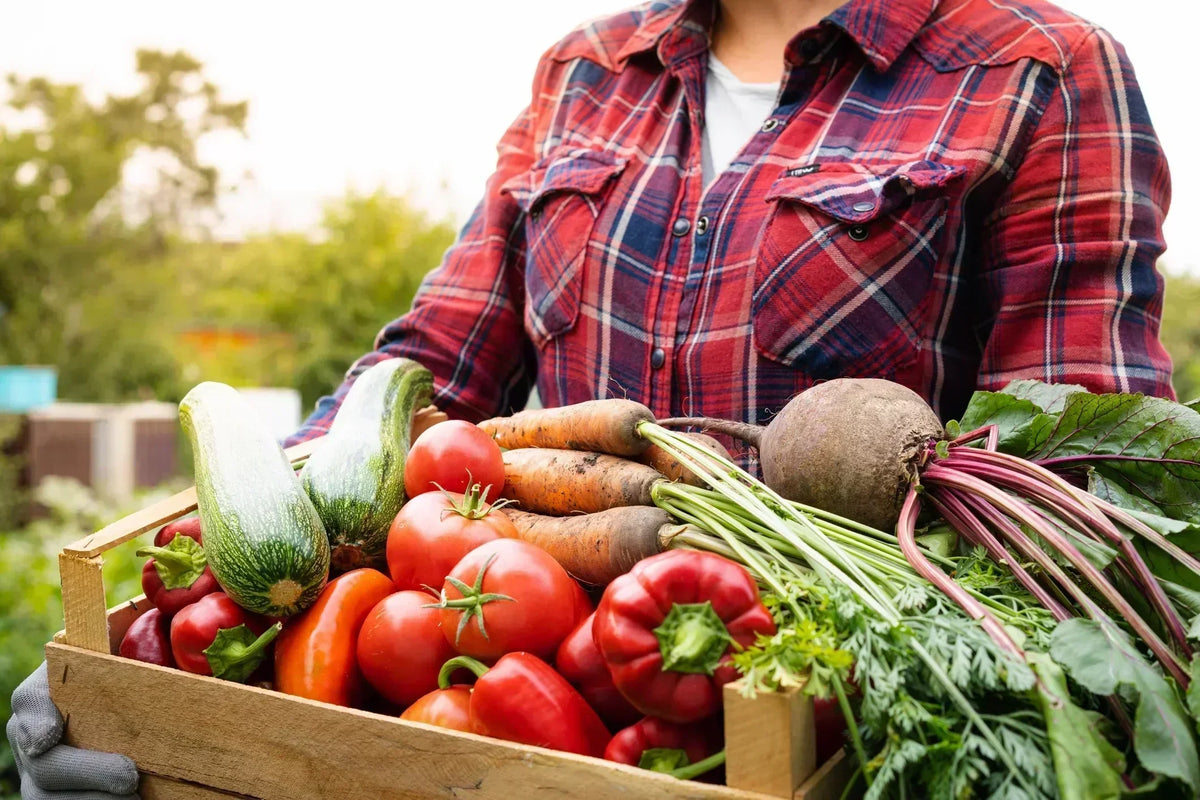
One of the simplest and most evidence backed ways to support it? Eating around 30 different plant foods each week.
It sounds like a lot. In practice, it’s more achievable than you’d think, and the benefits for your gut, your metabolism and your long term health are well worth it.
What is the gut microbiome?
Your gut microbiome is the collection of microorganisms that live throughout your digestive tract, with the greatest concentration found in your large intestine.
Older research often referred to around 100 trillion microbes, but current estimates suggest we carry approximately 38 trillion microorganisms, spanning thousands of different species of bacteria alongside fungi, viruses and other microbes. Together, they form a complex ecosystem that has evolved alongside humans over millions of years.
In many ways, your microbiome is as unique as your fingerprint. No two people share exactly the same microbial community. Yours began developing the moment you were born, was shaped by early feeding, and has continued to change throughout your life depending on factors such as:
- Diet
- Exercise
- Sleep
- Stress
- Medications, including antibiotics
- Exposure to nature
- Age
- Environment
The combined genes of your gut microbes outnumber your own genes by around 300 to 1, giving this microbial community an extraordinary capacity to influence your biology.
Rather than thinking of bacteria as something to eliminate, scientists now recognise that most are firmly on your side. They quietly perform countless tasks that your body simply couldn’t manage alone.
Why scientists describe the microbiome as another organ
Although the microbiome isn’t technically an organ, many researchers now talk about it as one, thanks to the sheer range of essential functions it performs.
Your gut microbes help to:
- Digest dietary fibre that you cannot break down yourself
- Produce beneficial compounds called postbiotics
- Support the absorption of certain nutrients
- Help regulate your immune system
- Maintain the protective lining of your gut
- Communicate with your brain through the gut-brain axis
- Influence inflammation throughout your body
- Support healthy metabolism
In fact, around 70-80% of your body’s immune cells are associated with your gut, making your digestive system one of the most important centres for immune regulation you have.
Rather than working independently, your microbiome works in true partnership with you. You provide the food and environment it needs to thrive, and in return, it produces thousands of compounds that support your health.
The gut microbiome: A hidden regulator of metabolism
One of the most exciting scientific discoveries in recent years is that your microbiome behaves almost like a metabolic control centre, working away behind the scenes.
Beneficial bacteria influence how efficiently you extract energy from food, how you respond to carbohydrates and fats, and how well you regulate blood glucose after eating.
When you eat foods rich in fibre, your gut bacteria ferment that fibre to produce short-chain fatty acids (SCFAs), including butyrate, acetate and propionate. These remarkable compounds help to:
- nourish the cells lining your colon
- support the integrity of your gut barrier
- regulate inflammation
- contribute to insulin sensitivity
- support healthy glucose metabolism
- communicate with your appetite-regulating pathways
Rather than viewing metabolism as simply ‘burning calories’, scientists increasingly describe it as a complex, ongoing conversation between your cells, hormones, immune system and the trillions of microbes living within you.
How the gut microbiome may support natural GLP-1 signalling
GLP-1 has become one of the most talked-about hormones in metabolic health, but it’s a hormone your body naturally produces every day.
GLP-1 is released by specialised cells in your intestine after you eat. It helps support feelings of fullness, contributes to healthy blood sugar regulation, and forms part of your body’s natural appetite signalling system.
Clinical research suggest that our gut microbes appear to play an important supporting role in this process. When beneficial bacteria ferment prebiotic fibres, they produce short-chain fatty acids that interact with receptors on intestinal cells, and emerging research suggests these interactions may help support your body’s own GLP-1 secretion and healthy metabolic signalling.
This doesn’t mean fibre or gut bacteria work in the same way as GLP-1 medications. Instead, they support your body’s natural physiology by creating an environment that encourages healthy metabolic function from within. It’s one reason why diets rich in plant foods, legumes, vegetables, whole grains and other fibre-rich ingredients are consistently linked to better metabolic health.
Fibre: The fuel your microbiome depends on
Unlike sugars and starches, fibre passes through your small intestine largely undigested until it reaches your large intestine, where it becomes food for your beneficial microbes. This is where the real magic happens.
As bacteria ferment fibre, they produce thousands of beneficial compounds known as postbiotics, many of which play important roles in maintaining your health. One of the most studied is butyrate, a short-chain fatty acid that fuels the cells lining your colon and helps maintain the integrity of your gut barrier.
Think of a healthy gut lining as a carefully regulated filter: allowing nutrients to pass into your bloodstream while helping keep unwanted substances where they belong. Supporting this barrier is thought to play an important role in healthy immune function and inflammatory balance.
Different types of fibre offer different benefits:
Soluble fibre, found in foods such as oats, beans and lentils, absorbs water to form a gel-like consistency. This slows digestion, helps you feel fuller for longer, and contributes to steadier blood sugar levels.
Insoluble fibre, found in wholegrains, nuts, seeds and the skins of many fruits and vegetables, helps food move through your digestive system and supports digestive regularity.
Most adults in the UK are recommended to consume around 30g of fibre each day, yet average intakes remain well below this target. Increasing the variety of plant foods on your plate can make a meaningful difference.
Diversity matters more than perfection
If there’s one message that comes through loud and clear in microbiome research, it’s this: diversity is key.
Different bacteria thrive on different types of plant fibres, so eating a wide variety of foods helps you build a richer, more resilient microbial ecosystem. Rather than chasing a handful of ‘superfoods’, aim to include as many different plant foods as possible throughout your week. Researchers often recommend working towards around 30 different plant foods each week, including:
- vegetables
- fruit
- beans
- lentils
- chickpeas
- nuts
- seeds
- herbs
- spices
- wholegrains
Every different plant provides unique fibres and polyphenols that nourish different groups of beneficial bacteria, so variety really is the spice of (gut) life.
Choosing locally grown, seasonal produce where you can may also help maximise nutrient content while supporting a more sustainable food system.
Rejuvenated Tip: Think diversity, not perfection. Rather than focusing on individual ‘superfoods’, challenge yourself to include one new plant food each week. A handful of seeds on your breakfast, herbs in a salad, or lentils stirred into a soup all contribute to a more diverse microbiome. Small changes, repeated consistently, can make a meaningful difference over time. For recipe ideas to help you hit 30 plants a week, see our guide.
Prebiotics, probiotics and postbiotics: What’s the difference?
The health of your microbiome depends on more than simply taking a probiotic supplement. Scientists now talk about three important, interconnected elements that work together to support a healthy gut ecosystem: prebiotics, probiotics and postbiotics.
Prebiotics: Feeding your gut microbes
Prebiotics are types of fibre that pass through your digestive system without being broken down until they reach your large intestine. Here, they become food for beneficial bacteria, helping them grow and thrive. Foods naturally rich in prebiotic fibres include:
- Onions
- Garlic
- Leeks
- Asparagus
- Chicory root • Oats
- Apples
- Bananas
- Beans and lentils
Prebiotics matter because they encourage the growth of beneficial bacteria, which in turn produce compounds that support your digestive and metabolic health.
Probiotics: Introducing beneficial bacteria
Probiotics are live microorganisms found in fermented foods and some supplements. Traditional fermented foods include:
- Live natural yoghurt
- Kefir
- Sauerkraut
- Kimchi
- Miso
- Kombucha
- Raw apple cider vinegar
These foods introduce live bacteria into your digestive system and may help increase microbial diversity when enjoyed regularly as part of a balanced diet.
If you’re new to fermented foods, there’s no need to dive in headfirst. Starting with a tablespoon of sauerkraut or a small glass of kefir each day gives your digestive system time to adapt.
Postbiotics: Where the benefits really begin
Perhaps the least well-known, but arguably the most fascinating, part of the microbiome story is the production of postbiotics.
Postbiotics are the beneficial compounds produced when gut bacteria ferment dietary fibre. Among the best studied are short-chain fatty acids, including butyrate, acetate and propionate. These compounds help to:
- nourish the cells lining your colon
- support your gut barrier
- contribute to healthy immune regulation
- help regulate inflammation
- support healthy glucose metabolism
- participate in your body’s natural appetite signalling pathways
This is one of the reasons nutrition scientists increasingly focus on feeding the microbiome, rather than simply adding more bacteria to it.
Inflammation: The common thread linking gut and metabolic health
Inflammation is a normal, healthy part of your body’s defence system. It helps you recover from injury and fight infection. The trouble starts when inflammation becomes persistent and low-grade, quietly ticking away in the background.
This chronic inflammatory state is now recognised as an important contributor to many long-term health conditions, including:
- Type 2 diabetes
- Cardiovascular disease
- Obesity
- Arthritis
- Inflammatory bowel disease
- Some neurodegenerative diseases
A healthy microbiome helps regulate your immune system, encouraging it to respond appropriately without becoming overactive. One of the ways it does this is through the production of butyrate, which helps maintain the integrity of your gut lining.
When your gut barrier is functioning well, it acts as a selective gateway, allowing nutrients into your bloodstream while helping keep unwanted substances where they belong. This balanced interplay between your microbiome, gut lining and immune system is thought to be an important part of maintaining your overall health.
The Gut-Brain Axis: Why stress affects your digestion
Ever noticed how stress seems to go straight to your stomach? That’s not a coincidence.
Your gut and brain are constantly chatting to one another through a network known as the gut-brain axis, with the vagus nerve acting as one of the main lines of communication.
During periods of stress, your body activates its ‘fight or flight’ response. Blood flow is redirected away from your digestive system towards your muscles and brain, while cortisol levels rise. This response is helpful in short-term emergencies, but ongoing stress may influence digestive function, alter the composition of your microbiome, and affect the protective mucus layer of your gut.
At the same time, your microbiome communicates back to your brain, producing compounds involved in mood, sleep and nervous system function. So supporting your microbiome isn’t only about digestion, it may also contribute to your emotional wellbeing and resilience.
Simple habits such as walking, mindfulness, yoga, deep breathing and prioritising restorative sleep all help activate your body’s “rest and digest” response, creating a more favourable environment for both digestion and your microbiome.
Ultra-processed foods and the microbiome
Modern diets have changed dramatically over recent decades. In the UK, more than half of the average adult’s calorie intake now comes from ultra-processed foods.
These products are often:
- lower in fibre
- higher in refined starches and added sugars
- designed to be rapidly digested
- more likely to contain additives such as emulsifiers
Unlike minimally processed whole foods, many ultra-processed foods offer little nourishment for your beneficial gut bacteria. They’re also digested more quickly, which can lead to bigger fluctuations in blood glucose, and over time, frequent blood sugar spikes place greater demands on your metabolic systems.
The reassuring part is that you don’t need to overhaul everything overnight. Simply swapping some ultra-processed foods for fibre-rich whole foods is one of the easiest ways to support both your microbiome and your metabolic health.
Everyday habits that support a healthy microbiome
Your microbiome responds surprisingly quickly to positive lifestyle changes. Research suggests dietary changes can begin influencing the composition and activity of your gut microbes within as little as 48 hours.
Small, consistent habits tend to have the greatest long-term impact. Try to:
- Eat around 30 different plant foods each week
- Include a source of fibre with every meal
- Enjoy beans, lentils and pulses regularly
- Include fermented foods if they suit you
- Stay well hydrated
- Walk outdoors every day where possible
- Manage stress through relaxation, movement or breathwork
- Aim for around a 12-hour overnight fast, if it suits you, to give the digestive system time to rest between your evening meal and breakfast
- Prioritise regular, restorative sleep
Rather than striving for perfection, think of it as gradually building a more diverse and resilient inner ecosystem, one small choice at a time.
Supporting the microbiome with nutrition
The Mediterranean diet remains one of the best-studied dietary patterns for supporting both metabolic and cardiovascular health, and it’s no coincidence that it naturally encourages many of the habits that help beneficial gut bacteria thrive, including:
- colourful vegetables
- fruit
- beans and pulses
- wholegrains
- nuts and seeds
- extra virgin olive oil
- herbs and spices
- fish
- fermented dairy such as live yoghurt and kefir
This way of eating provides a rich variety of fibres, polyphenols and healthy fats that work together to nourish your microbiome while supporting healthy metabolism.
How Rejuvenated can complement a healthy lifestyle
No supplement can replace a varied, balanced diet, but carefully formulated nutritional support can be a lovely complement to everyday habits.
Re-Set
Re-Set has been developed to support healthy glucose metabolism and metabolic wellbeing with a thoughtful combination of botanicals and nutrients, including chlorogenic acid, white mulberry, chromium and gynostemma. Used alongside a fibre-rich diet, regular movement and good sleep, it forms part of a holistic approach to metabolic health.
Protein Smoothie
Our Protein Smoothie provides pea protein together with glucomannan, inulin and MCTs from coconut. Inulin is a prebiotic fibre that helps nourish beneficial gut bacteria, while glucomannan contributes to feelings of fullness when consumed as part of an energy-restricted diet. Combined with high-quality plant protein, it’s a convenient way to support both digestive and metabolic wellbeing.
H3O Hydration
Hydration is often the overlooked piece of the gut health puzzle, yet water is essential for normal digestive function. H3O Hydration combines hypotonic electrolytes with inulin, resveratrol, vitamin C and hyaluronic acid. Alongside supporting hydration, the inclusion of inulin provides prebiotic fibre, while resveratrol is a naturally occurring polyphenol that complements a colourful, plant-rich diet.
The Bottom Line
The gut microbiome is far more than a collection of bacteria. It’s a living, breathing ecosystem that works alongside your own biology every single day.
The foods you choose, how well you sleep, how active you are and how you manage stress all help shape this remarkable community of microorganisms. By nourishing your microbiome with a wide variety of plant foods, plenty of fibre, fermented foods where they suit you, regular movement and restorative sleep, you’re not only supporting your digestive health, you’re also helping to maintain healthy metabolism, balanced immune function and your body’s natural appetite-regulating pathways.
Healthy ageing isn’t built on one food or one supplement. It’s built on the small choices we make every day, and looking after your microbiome is one of the most powerful investments you can make in your long-term wellbeing.
This article is for general information purposes and does not constitute medical advice. If you have a health condition or are taking medication, please speak to your doctor before starting any new supplement or making significant dietary changes.


