


A balanced look at the evidence for ashwagandha during perimenopause and menopause - including benefits, limitations and safety.
Ashwagandha and menopause: what is the connection?
Perimenopause and menopause can change far more than the menstrual cycle. Fluctuating and then declining levels of oestrogen and progesterone may affect sleep, mood, temperature regulation and the way the body responds to stress. It is understandable that many women look for gentle, non-hormonal ways to support their wellbeing - and ashwagandha is increasingly part of that conversation.
Ashwagandha may help with some of the symptoms that commonly cluster around this life stage, particularly perceived stress and sleep. However, it is not a replacement for menopausal hormone therapy, prescribed treatment or medical advice, and it should not be described as a proven way to 'balance hormones'. Menopause-specific research is still limited, with encouraging results from small, short-term trials that need to be confirmed in larger, independent studies.
What is ashwagandha?
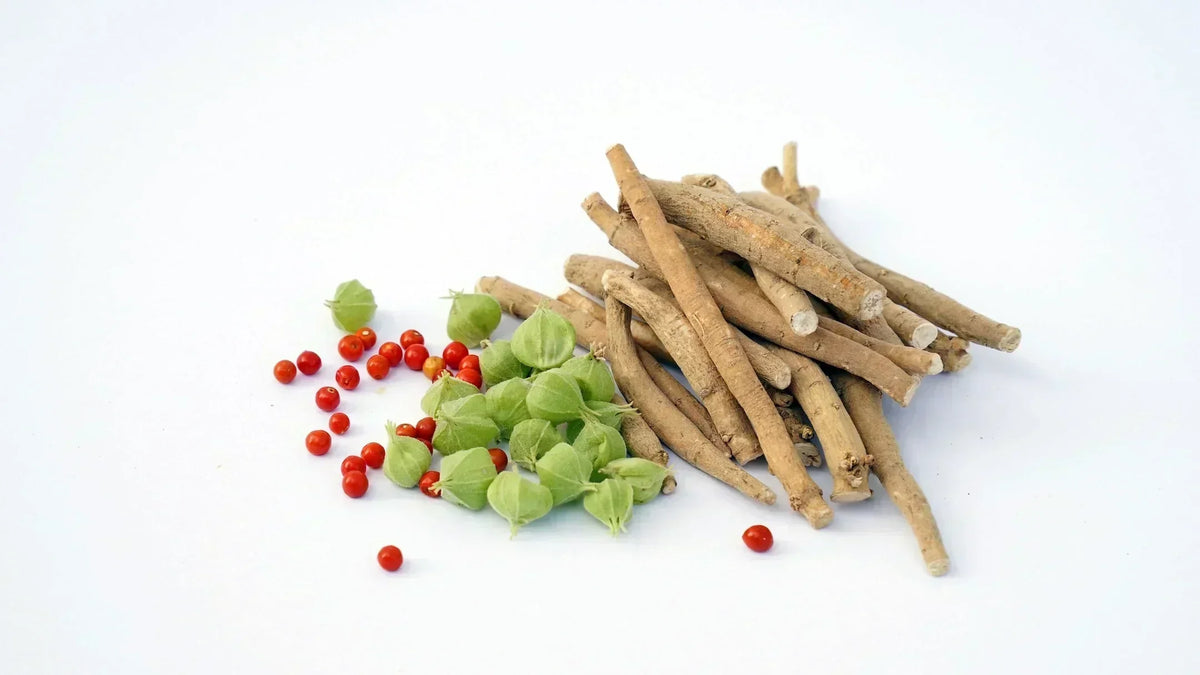
Ashwagandha (Withania somnifera) is a herb used in Ayurvedic medicine, the traditional medical system of India. Its root and, in some preparations, leaf are used to make extracts containing naturally occurring compounds known as withanolides. Different products can vary considerably in the plant parts used, extraction method, concentration and dose, so findings from one standardised extract cannot automatically be applied to every ashwagandha supplement.
Ashwagandha is often described as an adaptogen. This is a useful shorthand, but not a formal medical diagnosis or a guarantee of benefit.
What do adaptogens do?
Adaptogens are plants or substances proposed to help the body respond to physical or psychological stress. Researchers are exploring whether they influence signalling systems involved in the stress response, including the hypothalamic-pituitary-adrenal (HPA) axis, which helps regulate cortisol.
Cortisol is essential: it supports alertness, metabolism, immune activity and the normal daily sleep-wake rhythm. The aim is not to remove cortisol or keep it permanently low. The more relevant question is whether a supplement can support an appropriate stress response without causing unwanted effects. For ashwagandha, early human trials suggest a possible effect on perceived stress and morning cortisol, but the studies are generally small and use varied extracts and doses.
What does the research say about ashwagandha for menopause?
The evidence specific to ashwagandha and menopause is promising, but preliminary. A recent randomised, double-blind, placebo-controlled trial followed 60 healthy women aged 45 to 55 for eight weeks. Compared with placebo, the ashwagandha group reported improvements on a menopause symptom scale, perceived stress, quality of life and hot flush measures. The study also reported changes in several reproductive hormones.
Those findings are interesting, but they should be interpreted cautiously. The trial was short, included only 60 women, excluded many people taking medicines or supplements, and tested one specific standardised extract. Results in this selected group do not prove that ashwagandha will work for everyone, remain effective over the long term or be appropriate alongside common menopause treatments.
Another small trial has investigated combined ashwagandha and shatavari extracts in postmenopausal women. Because two botanicals were used together, it cannot tell us how much of any effect was due to ashwagandha alone. Overall, larger independent trials with diverse participants, longer follow-up and better comparison with standard care are still needed.
Ashwagandha for stress and cortisol during menopause
Stress does not cause menopause, but the demands of midlife can overlap with hormonal change. Poor sleep, caring responsibilities, work pressure and physical symptoms can all make the stress response feel harder to manage. This is where the wider - not specifically menopausal - ashwagandha research may be relevant.
In a 60-day randomised trial of 60 adults with self-reported high stress, a standardised ashwagandha extract was associated with a greater reduction in anxiety scores and morning cortisol than placebo. Other small studies have also reported improvements in perceived stress. These results support further research, but they do not establish that ashwagandha 'regulates cortisol' in every person, and lower cortisol is not automatically better.
For more on the relationship between midlife stress and hormones, read our guide to cortisol and menopause.
Can ashwagandha help with menopause sleep problems?
Sleep disruption is common during perimenopause and menopause. Hot flushes and night sweats can wake you, while anxiety or a changed stress response may make it harder to fall back asleep.
A systematic review and meta-analysis of randomised trials found a small overall improvement in sleep with ashwagandha, with larger effects reported in people with insomnia and in some studies using higher doses or longer treatment periods. However, the included trials were few, generally small and not designed specifically for menopausal women. Ashwagandha may therefore be considered a possible support for sleep, not a proven treatment for menopause-related insomnia.
Persistent sleep problems deserve proper assessment, particularly if they are accompanied by loud snoring, breathing pauses, restless legs, low mood or severe daytime tiredness.
Discover how to restore your natural sleep rhythm
What about mood and anxiety?
Mood changes during perimenopause can have several drivers, including hormonal fluctuation, disrupted sleep, previous mental health history and life stress. Small ashwagandha trials in broader adult populations have reported reductions in perceived stress or anxiety symptoms, but the evidence is not strong enough to treat depression or an anxiety disorder.
If low mood, anxiety or loss of interest is persistent, worsening or affecting daily life, speak to a GP or qualified healthcare professional. Urgent help is important if you are having thoughts of self-harm or suicide.
Is ashwagandha safe during perimenopause and menopause?
Ashwagandha is often well tolerated in short-term studies, but 'natural' does not mean risk-free. Reported side effects include stomach upset, diarrhoea, nausea and drowsiness. Rare cases of liver injury have also been reported.
Long-term safety is not well established. Speak to a pharmacist, GP or other qualified healthcare professional before taking ashwagandha if you use prescription medicines or have a health condition. This is especially important during perimenopause and menopause, when medicines for thyroid disease, blood pressure, diabetes, sleep, anxiety or other conditions may already be part of your routine.
Who should avoid ashwagandha?
According to the US National Center for Complementary and Integrative Health, ashwagandha is not recommended during pregnancy or breastfeeding and may not be suitable for people who are about to have surgery or who have autoimmune or thyroid disorders. It should also be avoided by people with hormone-sensitive prostate cancer. Anyone with current or previous liver problems should seek individual medical advice before use.
Important medicine interactions
Ashwagandha may interact with medicines, including:
- thyroid hormone medication, because ashwagandha may affect thyroid function; immunosuppressants, because ashwagandha may influence immune activity
- sedatives or medicines that cause drowsiness;
- medicines for diabetes or high blood pressured
- anti-seizure medicines.
Do not stop or adjust prescribed medication in order to take a supplement. Ask a pharmacist or prescriber to check the complete ingredient list and your current medicines first.
How to choose an ashwagandha supplement
There is no single evidence-based ashwagandha dose for menopause. Trials have used different extracts, concentrations and schedules, so comparing milligrams alone can be misleading. If a healthcare professional agrees that it is suitable for you, look fora clear ingredient and allergen list along with clear directions.
Avoid combining several products containing ashwagandha unless a qualified professional has reviewed the total amount. If side effects develop, stop taking it and seek advice. Symptoms such as yellowing of the skin or eyes, dark urine, severe itching, unusual tiredness or persistent abdominal pain require prompt medical attention.
If you would like to take both Cellular calm Complex and Female Hormone Support we would recommend that you take no more than one of each capsule per day.
The bottom line on ashwagandha and menopause
Ashwagandha is an adaptogenic herb with early evidence for supporting perceived stress and sleep. Small menopause-specific trials also suggest possible benefits for symptom scores, hot flushes and quality of life. Yet the research is not mature enough to promise symptom relief, claim reliable hormone balancing or place ashwagandha alongside established menopause treatments.
The most trustworthy approach is to view ashwagandha as one possible part of a wider plan that may include sleep habits, movement, nutrition, psychological support and evidence-based medical care. Suitability matters as much as potential benefit, particularly if you have a thyroid or autoimmune condition or take regular medication.
Ashwagandha in Rejuvenated formulas
Cellular Calm Complex contains ashwagandha within a broader formula designed to support calm and stress resilience. Female Hormone Support also includes ashwagandha as part of a multi-ingredient formula created for women’s hormonal wellbeing.
Because both products contain ashwagandha, they should not be taken together unless a qualified healthcare professional has confirmed that the combined ingredients and amounts are suitable for you. Always follow the product directions and check for medicine interactions.
For more practical guidance, explore the Hormone Guide.


