


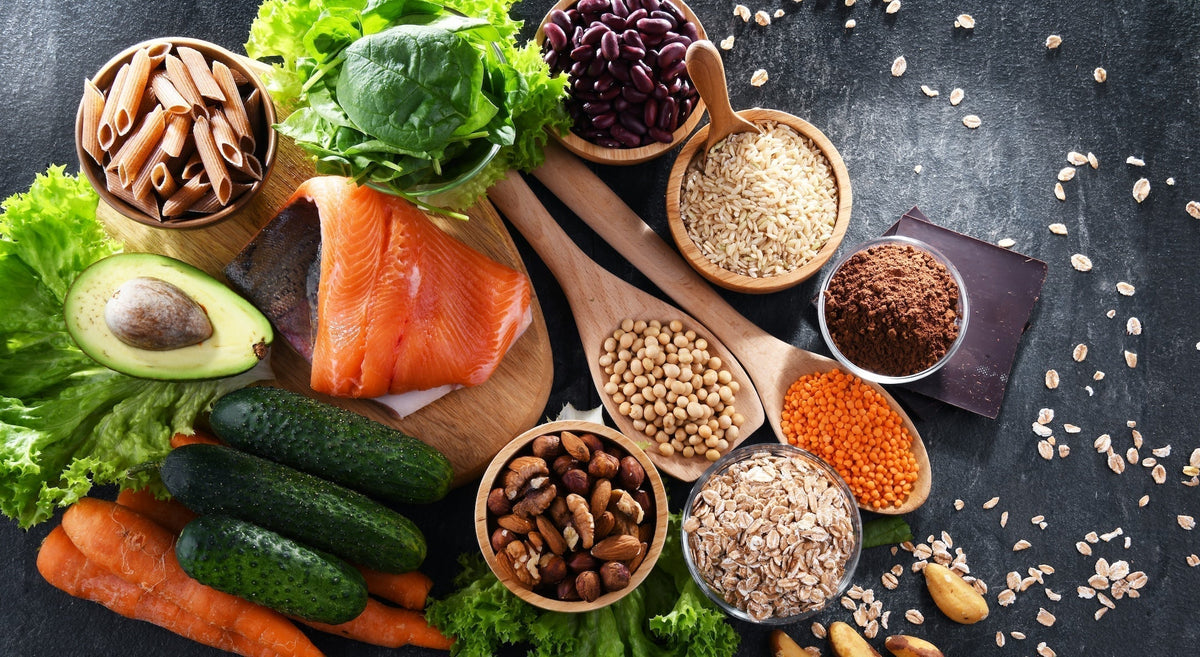
Your menstrual cycle influences far more than your period. It shapes your energy, mood, sleep, metabolism and even how your body responds to food and exercise.
Understanding the hormonal rhythm of the follicular, ovulatory and luteal phases allows you to support your body more intelligently, working with your biology rather than against it.
Your cycle is typically divided into four phases: menstrual, follicular, ovulation and luteal. As hormones like oestrogen and progesterone rise and fall, your body’s needs change, influencing everything from cravings and metabolism to focus and energy.
By aligning your food choices with each phase, you can support your body more intuitively, reduce common symptoms and feel more in control of your health.
Menstrual Phase (Days 1–5)
Rest, replenish, restore
Oestrogen and progesterone are at their lowest. Energy may dip, and the body is shedding and renewing.
Nourish with:
- Iron-rich foods (lentils, leafy greens)
- Vitamin C (berries, citrus)
- Omega-3 fats (salmon, flax)
- Magnesium-rich foods (pumpkin seeds, dark chocolate)
- Warming soups and broths
Lifestyle focus:
- Gentle movement
- Earlier bedtimes
- Reduced high-intensity training
Supporting restorative sleep during this phase helps regulate cortisol and prepare for rising energy in the follicular phase.
Follicular Phase (Post-bleed to ovulation)
Energy builds, clarity returns
Oestrogen rises, bringing improved focus and resilience.
Nourish with:
- Colourful vegetables
- Lean protein
- Fermented foods for gut health
- Fibre to support oestrogen metabolism
Lifestyle focus:
- New projects and social plans
- Strength training
- Morning light exposure
Stable metabolic support during this phase helps maintain consistent energy and blood sugar balance.
Ovulation
Confidence and communication peak Oestrogen and a small rise in testosterone enhance sociability and vitality.
Nourish with:
- Antioxidant-rich fruits
- Cruciferous vegetables
- Zinc-rich foods
Hydration and collagen support can help maintain skin elasticity and connective tissue strength during this outward-facing phase.
Luteal Phase
Grounding and preparation
Progesterone rises and metabolic rate increases slightly. Cravings and mood shifts can occur as the body prepares for potential pregnancy.
Nourish with:
- Complex carbohydrates
- Protein-rich meals
- B vitamins
- Magnesium
- Fibre to support hormone clearance
Prioritising nervous system balance and deeper sleep during this phase can help ease PMS symptoms and stabilise energy.
Supporting hormone rhythm holistically
The ovarian and uterine cycles occur simultaneously, reflecting a coordinated rhythm of renewal and repair. When you align food, movement and rest with these shifts, you support:
- Hormonal balance
- Energy stability
- Skin health
- Mood resilience
- Long-term metabolic and structural wellbeing
Cycle awareness is not about restriction, it is about rhythm. By nourishing cellular health, supporting restorative sleep and maintaining structural integrity, you create stronger foundations for long-term female longevity.


