


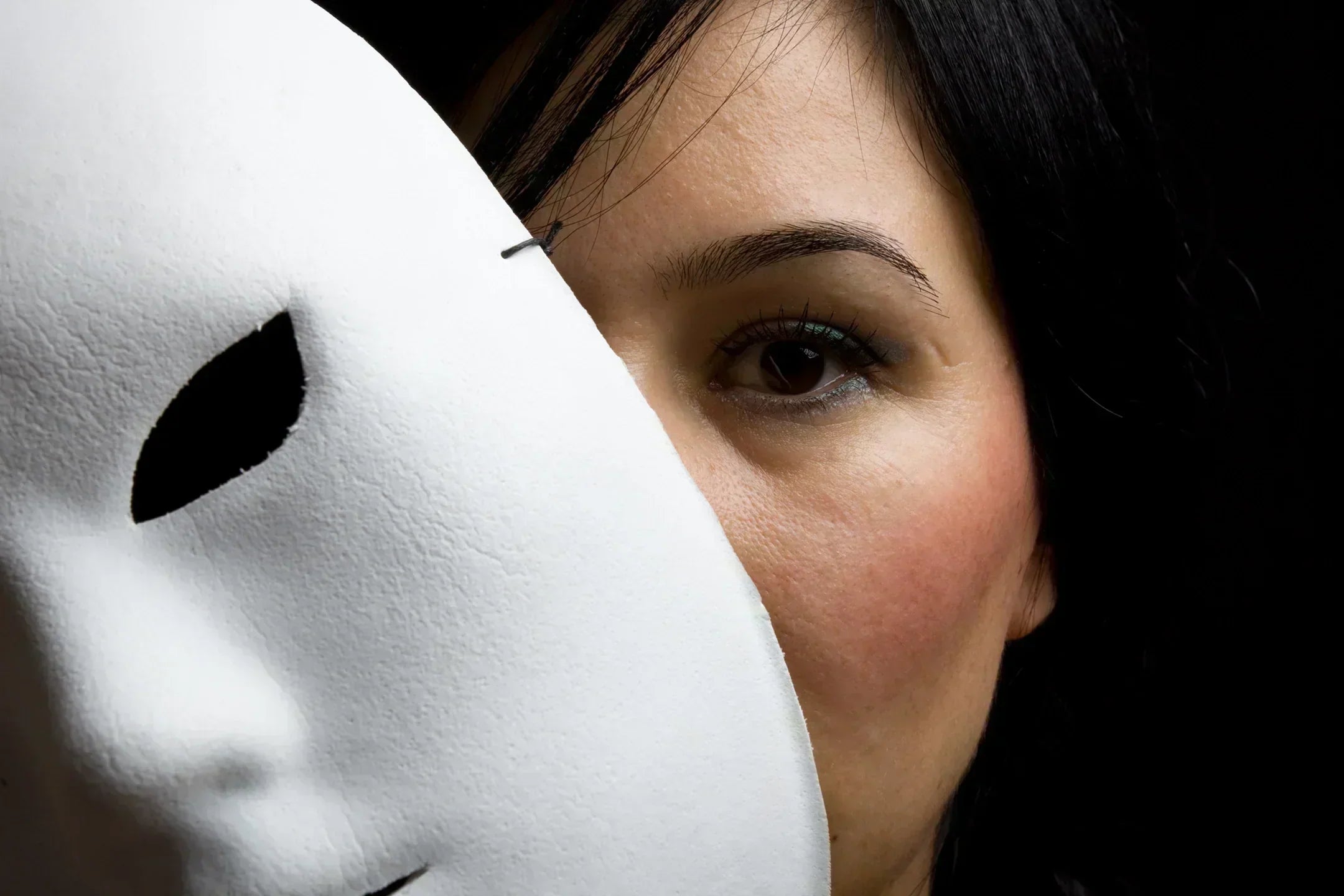
Rosacea is a condition that can have a great influence over someone’s life. It might start as slight flushing when going from the cold outside to the warm inside, or you might even notice runny, bloodshot eyes. Typically, the onset is noted by flushing of the cheeks and the odd broken capillary on the face. People may misconstrue that the sufferer is a heavy drinker, which may cause embarrassment.
Research shows that some 10% of the population are sufferers and what is also very apparent is the embarrassment that the symptoms rosacea causes. So many people say that it stops them going out or that they will not venture out without a mask of makeup.
A Gallup survey run by the National Rosacea Society found:
- 70% of rosacea sufferers said the condition lowered their self esteem
- 41% reported that they avoided social engagements
- Almost 70% said they felt it affected their professional life
- 30% said they had even missed work during flare-ups.
The actual cause of rosacea is not fully known and there is no cure. However there is action that can be taken to reduce and control the signs and symptoms.
Understanding rosacea and its symptoms can really help to keep it at bay.
What are the symptoms of rosacea?
Symptoms may show themselves as any individual or a combination of the following:
- Redness on the cheeks, nose, chin or forehead
- Small visible blood vessels on the face
- Bumps or pimples on the face
- Watery or irritated eyes
There are varying degrees of rosacea, however these can be summarised in the following categories:
- Sub-type 1, flushing and persistent redness, broken capillaries may be evident
- Sub-type 2, transient bumps and pimples accompany this persistent redness
- Sub-type 3, skin thickening and possible enlargement of the nose
- Sub-type 4, Ocular symptoms accompany, dry and burning in the eye, redness and swelling of the lids (blepharitis)
It is typical to experience symptoms across the sub-types; these symptoms may also progressively get worse so early diagnosis and treatment is of paramount importance.
Several theories have been put forward as to the cause; one is that the sebaceous glands may be infected with a skin mite, Demodex folliculorum. However in skin biopsies the mite was only present in one in five rosacea sufferers.
The condition has been linked to mercury fillings and also an infection of the stomach, Helicobacter pylori. Rosacea has also been linked to problems with the immune system as it targets antibodies against certain sebaceous glands. It may be any one of these triggers or a combination of them that gives rise to the onset of rosacea.
Personally, I find if I eliminate sugars and yeast from my diet then my skin is much healthier.
Action plan to treat rosacea
Your doctor may recommend a low dose antibiotic (tetracycline) to reduce symptoms, there are other things that you can try.
It is important thought that you consult a doctor if you start to get rosacea in your eyelids, it’s called blepharitis. My doctor hadn’t heard of the condition but looked it up. It’s characterised by itchy, red eyes a little similar to conjunctivitis. This is the only time that I have resorted to antibiotics and have managed to control it by the following measures.
How you can help to calm rosacea right now
- Most rosacea sufferers have dehydrated skin, so be sure to drink plenty of water.
- Keep your body thermostat cool, sip cold drinks and do not have excessively hot baths
- Avoid stimulants, alcohol, spicy foods, cigarettes, and caffeine. Alcohol in particular dilates the blood vessels to make them more visible.
- Use a sunscreen every day as UV light can aggravate rosacea symptoms. It is vital to wear a sun block with an SPF of at least 30 or apply a product with zinc or titanium oxide to protect the skin.
- Keep a diary and make a note of any trigger factors. Dairy, yeast and sugar can be contributors to rosacea
- H3O Hydration supports hydration at a cellular level and fortify the skins natural moisture barrier to maintain optimal skin hydration.
- A mineral makeup, such as Jane Iredale or Bare Minerals may help.
Does collagen help calm rosacea?
While collagen is not a treatment for rosacea, it may help support the skin’s structure and resilience from within. Rosacea is often associated with a weakened skin barrier, increased sensitivity and visible redness, so maintaining healthy connective tissue can be an important part of an overall skin-supportive routine.Foods that may trigger rosacea flare-ups
Foods that may help calm rosacea
Rosacea, gut health and inflammation
Which skin care helps to calm rosacea?
- Medik8
- Obagi
- Cosmedix
- Dr Hauschka
What treatments will help calm rosacea?
- Light based treatments including IPL and Laser, as light from these systems targets red skin cells and blood capillaries. By exposing vascular lesions to the short pulses of light the heat coagulates the broken blood vessels which are dispersed naturally by the body.
- IPL gives good reduction in general redness and can be successful with individual broken capillaries; laser is good at targeting individual capillaries. Suggested equipment: Lumecca, Zeo Light IPL.
- LED - Light Emitting Diode, these lights are specially designed to create chemical reactions within the skin tissue. They are totally pain free and a course of treatments can reduce redness and inflammation. Results continue to improve over a 6-month period.


