


Inflammation plays a far greater role in postmenopausal health than many women realise. After menopause, declining oestrogen levels can increase low-grade inflammation in the body, influencing everything from joint stiffness and fatigue to abdominal weight gain and cardiovascular risk.
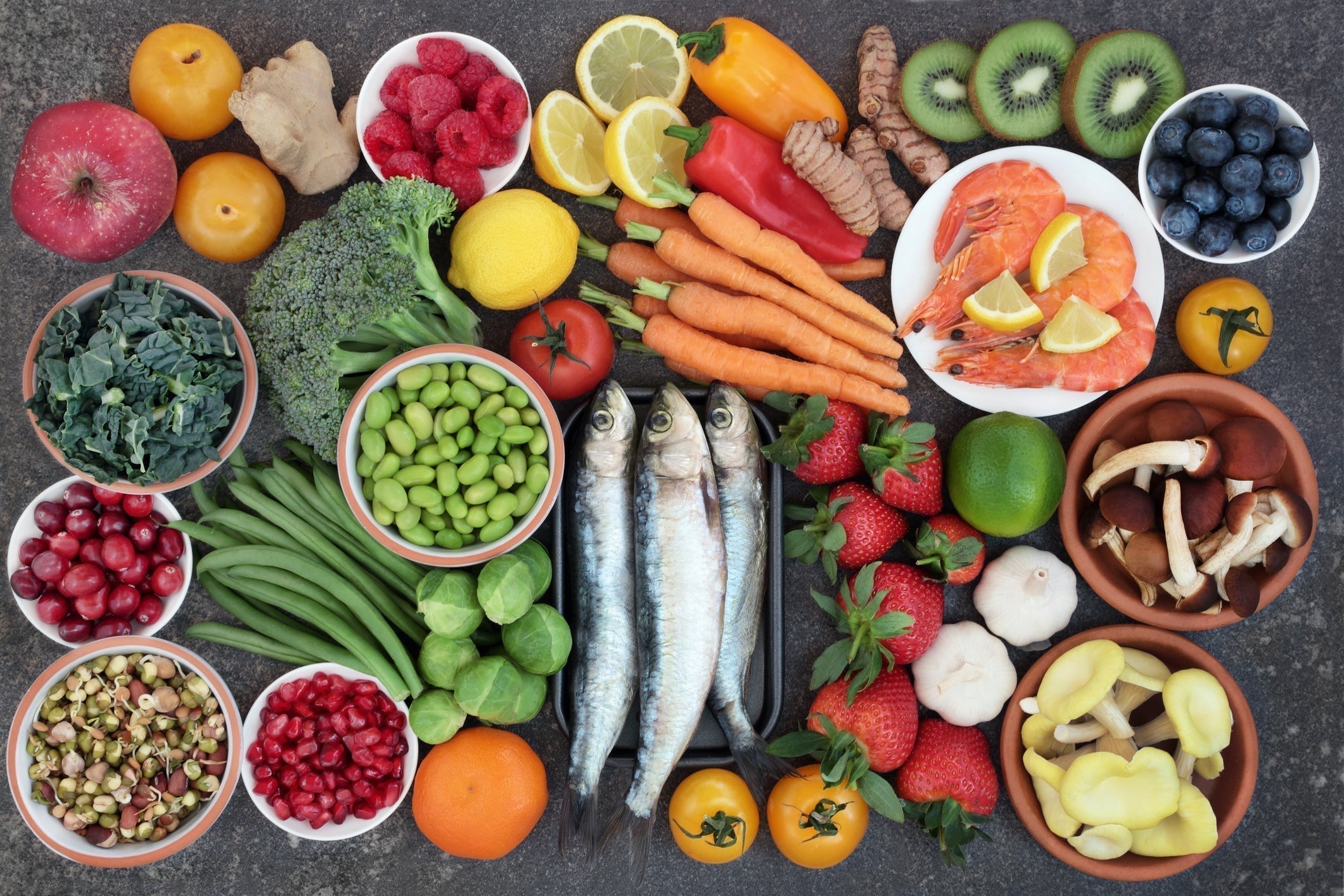
For women across the UK searching for natural ways to reduce inflammation after menopause, dietary pattern matters more than any single “superfood”. One approach consistently supported by research is the Mediterranean diet, a way of eating rich in anti-inflammatory foods that support metabolic health, heart health and healthy ageing.
Rather than restriction, it focuses on nourishment. Rather than extremes, it supports balance.
Menopause and inflammation
Oestrogen has natural anti-inflammatory effects. As levels decline during menopause, inflammatory markers can rise. This may contribute to increased visceral fat storage, insulin resistance, joint discomfort and changes in skin elasticity.
At the same time, muscle mass naturally declines, and metabolic flexibility becomes less efficient. Together, these changes mean postmenopausal women benefit from a dietary pattern that supports blood sugar balance, gut health and cellular resilience.
An anti-inflammatory Mediterranean style diet addresses all three.
What is a Mediterranean diet?
The Mediterranean diet is based on traditional eating patterns found in countries such as Greece, Italy and parts of Spain. It is rich in whole, minimally processed foods and emphasises plant diversity, healthy fats and lean protein. Unlike many modern diets, it is not low-fat or low-carbohydrate. Instead, it focuses on quality and balance.
This approach has been widely studied and is associated with reduced cardiovascular risk, improved metabolic health and lower levels of systemic inflammation. For postmenopausal women in the UK, it provides a sustainable framework that supports both longevity and hormonal transition.
Best anti-inflammatory foods for postmenopausal women
Extra virgin olive oil
Extra virgin olive oil is a cornerstone of the Mediterranean diet. Rich in polyphenols and monounsaturated fats, it has been shown to help reduce inflammatory markers and support heart health. Replacing highly processed vegetable oils with olive oil may improve lipid balance and metabolic resilience.
Oily fish
Omega-3 fatty acids found in oily fish such as salmon, sardines and mackerel have well-documented anti-inflammatory properties. These healthy fats support joint health, cardiovascular function and cognitive wellbeing. For postmenopausal women, including oily fish two to three times per week can support inflammatory balance and metabolic health.
Leafy greens and colourful vegetables
Dark leafy greens such as spinach, rocket and kale are rich in antioxidants and phytonutrients. Brightly coloured vegetables like peppers, tomatoes and aubergines provide additional protective compounds that help counter oxidative stress. Aiming for a wide variety of plant colours supports gut microbiome diversity, which plays a key role in regulating inflammation.
Berries and seasonal fruits
Berries such as blueberries, raspberries and blackberries are rich in anthocyanins - plant compounds associated with reduced inflammation. Seasonal fruits provide fibre and antioxidants without the blood sugar spikes associated with ultra-processed sweets. In postmenopausal women, balancing fruit intake with protein or healthy fats can support stable blood glucose levels.
Nuts and seeds
Almonds, walnuts, chia seeds and flaxseeds provide healthy fats, fibre and plant compounds that support inflammatory regulation. Walnuts in particular are high in alpha-linolenic acid (ALA), a plant-based omega 3 fatty acid. Including a small handful daily can support satiety and metabolic balance.
Legumes and pulses
Lentils, chickpeas and beans are central to Mediterranean eating. They provide fibre, plant protein and support gut health. A healthy gut microbiome helps regulate inflammation and improves insulin sensitivity, particularly important after menopause.
Whole grains
Whole grains such as oats, quinoa and barley provide fibre and micronutrients that support digestive health and blood sugar stability. Choosing whole grains over refined carbohydrates can reduce inflammatory load and support metabolic health.
Is the Mediterranean diet good post menopause?
An anti-inflammatory Mediterranean pattern supports postmenopausal women in several key ways. It promotes stable blood sugar, which helps reduce visceral fat accumulation and metabolic strain. It provides antioxidants that combat oxidative stress, which naturally increases with age. It supports cardiovascular health, an important consideration as heart disease risk rises after menopause.
Perhaps most importantly, it encourages sustainable habits rather than extreme restriction, something particularly beneficial during hormonal transition.
Reducing menopause belly fat through diet
Abdominal weight gain after menopause is often linked to insulin resistance and chronic low-grade inflammation. The Mediterranean diet supports blood sugar regulation through fibre-rich carbohydrates, healthy fats and balanced protein intake.
While no single food can “target” belly fat, reducing inflammatory load and improving metabolic flexibility may support healthier body composition over time.
A practical Mediterranean approach
Adopting a Mediterranean-inspired approach in the UK does not require dramatic change. Simple shifts can make a meaningful difference:
- Use olive oil as your primary cooking fat
- Include oily fish several times per week
- Fill half your plate with vegetables at lunch and dinner
- Swap refined carbohydrates for whole grains
- Add nuts or seeds to salads and yoghurt
- Prioritise minimally processed foods
These changes build an anti-inflammatory foundation that supports healthy ageing.
Inflammation, hydration and cellular health
While food is foundational, hydration and mineral balance also influence inflammatory pathways. Supporting cellular hydration alongside anti-inflammatory eating can help optimise recovery, circulation and tissue resilience.
A layered approach of nutrition, hydration, movement and sleep creates the strongest foundation for postmenopausal wellbeing.
Eating for longevity after menopause
Post menopause is not a decline, it is a transition into a new metabolic phase. Supporting the body with anti-inflammatory foods rooted in the Mediterranean diet may help reduce chronic inflammation, support heart and metabolic health and improve long term resilience.
The goal is not short-term dieting. It is sustainable nourishment that supports strength, vitality and healthy ageing for decades to come.


