


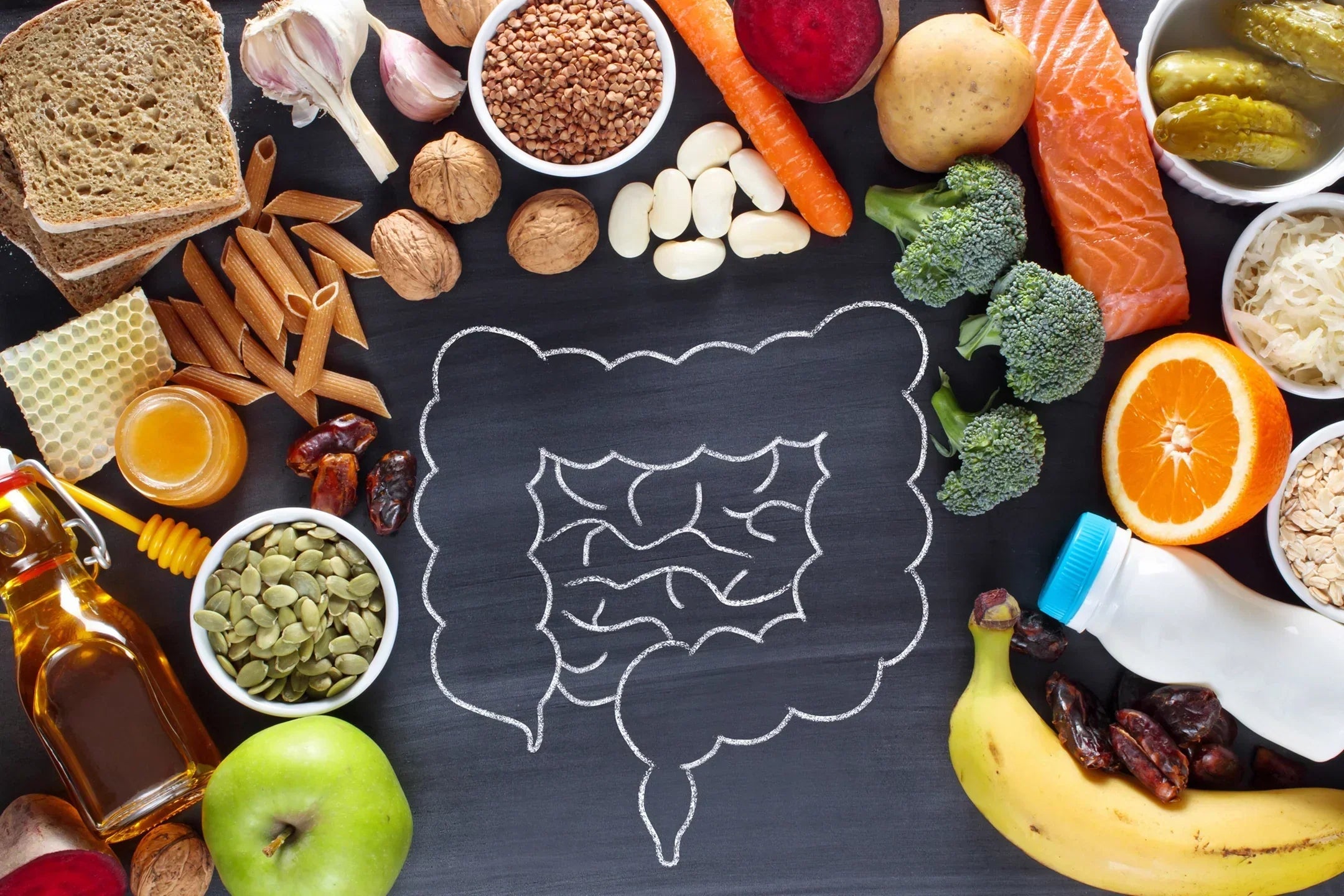
It’s no secret that balance is important in life, but do you know how important it is for your gut? If you struggle with bloating, discomfort, gas or anything else related to the tummy region, you may be off balance. Thankfully, there are a few things that you can do to bring equilibrium to your body.
Prebiotics and probiotics are both extremely beneficial for the body, and each does its own important work. But what are they, what are they doing, and how can we get more of them? Let's delve into these questions so you can understand probiotics and prebiotics and how they can help you to live a happy, healthy life.
Difference between prebiotics and probiotics
Put simply, probiotics are beneficial bacteria, and prebiotics are the food source of these bacteria. In other words, probiotics are the bacteria that benefit our bodies so wonderfully, and prebiotics allow their counterparts to do their good work. They work cooperatively to improve your wellbeing.
What is prebiotic?
Prebiotics are plant fibres that our bodies can’t actually digest, so they are sent to the lower digestive tract, where they serve as a food source for probiotic bacteria. These prebiotic plant fibres help healthy bacteria grow in your gut, making your digestive system work better.
Which foods are prebiotic?
There are many food types that have prebiotic fibres in them, so no matter what kinds of food you enjoy, you should be able to find a few prebiotic foods that you can eat to help out your digestion. Here are the most popular prebiotic foods:
- Legumes, beans, and peas
- Oats
- Bananas
- Berries
- Garlic, onions and leeks
What is probiotic?
Probiotics are the live microorganisms that live within your gut. Our bodies play host to many different types of bacteria, many of which are good. Probiotics are some of those good bacteria types, and are often hard at work fighting off bad bacteria.
The different types of bacteria, good and bad, are part of your body’s microbiome, which dictates certain aspects of your health and physical functions. Improving your probiotic gut health therefore has many positive secondary effects in your body.
Which foods are probiotic?
Probiotic-rich foods are those that have live and active cultures in them. These types of food are a little less common in most diets, but they are very simple to add to yours. The most probiotic-rich foods include:
- Yoghurt (the label should say “live and active culture”)
- Sauerkraut and kimchi
- Kombucha tea
- Kefir, cottage cheese and buttermilk
- Some pickled vegetables
Why are gut bacteria important?
Gut bacteria are wonderfully useful for a number of physical processes within your body. They support your immune system and metabolism, produce certain vitamins, help you absorb calcium, control your glycemic index, and may even improve brain health.
Your gut bacteria also affects how different foods are processed, and speeds up the fermentation process, so that food spends less time in your digestive tract. This is particularly useful for those who suffer from constipation and bloating.
Lastly, your gut bacteria produce chemicals that help make you feel full, which can affect your weight.
Tip: Our award-winning Immune Complex has all the prebiotics and probiotics your gut needs.


